


World-first: ZF LIFETEC’s Multi Stage Load Limiter Enters Series Production
2026-NOV-19
- Volvo EX60 is the first production vehicle to feature the Multi Stage Load Limiter (MSLL)
- MSLL expands adaptive safety belt load limitation to four load levels and eleven load profiles
- The technology enables vehicle manufacturers to tailor restraint characteristics to different occupants and crash scenarios
- “The Volvo EX60 marks the series production launch of a pioneering technology that advances the safety belt into a multi-adaptive protection system for different occupant types,” Rudolf Stark, CEO of ZF LIFETEC
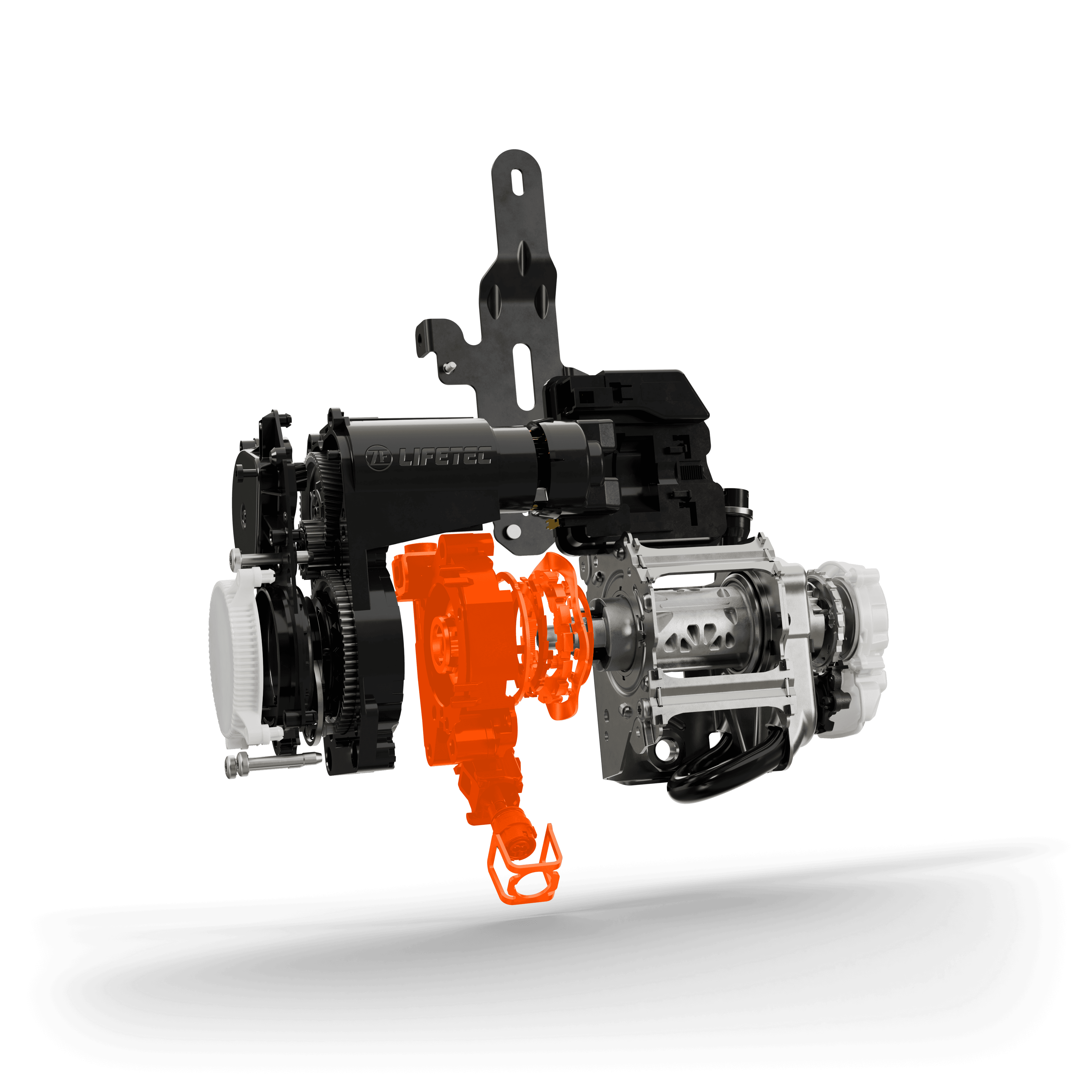
Alfdorf, November 19, 2026 +++ ZF LIFETEC, one of the world’s leading suppliers of passive safety systems for passenger cars, has brought its MSLL into series production. The technology represents a pioneering step in the development of adaptive safety belt load limitation, offering four selectable load levels and eleven load profiles. This provides vehicle manufacturers with new opportunities to adapt restraint characteristics more precisely to different occupant and crash scenarios. The Volvo EX60 is the first production vehicle to feature the technology
“Car passengers obviously differ in size, weight and seating position. The MSLL enables adaptive restraint solutions that can better account for different occupant types and crash situations. The technology is a key element of the Multi-Adaptive Safety Belt system in the Volvo EX60,” says Rudolf Stark, CEO of ZF LIFETEC.
Occupants can differ significantly in their physical characteristics. Drivers and other occupants may sit upright or adopt a more relaxed seating position. For front passengers, this may include moving the seat further rearward. A restraint setting that is appropriate for a tall, heavy occupant may therefore not necessarily be optimal for a smaller or lighter person.
“For decades, restraint systems were primarily designed around an average occupant. Today, vehicle sensors allow us to better understand who is sitting in the vehicle and how they are positioned. This creates new opportunities for us to adapt restraint performance more precisely to real-world occupant situations,” explains Harald Lutz, Senior Vice President Research and Development at ZF LIFETEC.
This is precisely where the MSLL comes into play. Information from vehicle sensors and occupant monitoring systems is processed by the vehicle's safety architecture to determine an appropriate protection strategy. In this context, system-level intelligence and computing, informed by the vehicle manufacturer's knowledge and expertise, determine which restraint settings are appropriate for a given occupant and crash situation. The MSLL provides the technical capability to implement these settings by using different safety belt force levels. Depending on the vehicle manufacturer's calibration strategy, the system can select higher or lower load levels to address different occupant and crash scenarios. The objective is to adapt crash loads more closely to individual occupant requirements.
Four Load Levels and Eleven Load Profiles: The MSLL Expands Adaptive Load Limitation Modern restraint systems increasingly rely on the interaction of vehicle sensing, occupant monitoring, control software, as well as safety belts, steering wheels and airbags. Within this connected environment, the MSLL provides vehicle manufacturers with access to up to eleven load profiles and four load levels, significantly expanding the range of available restraint strategies. The MSLL translates the protection strategies determined by the vehicle's safety architecture into corresponding physical restraint characteristics. While the vehicle's computing and system-level intelligence determine the appropriate restraint setting, the MSLL provides the technical means to implement the selected load level.
In doing so, it turns the safety belt into an actuator within a connected restraint system. The technology was deliberately designed as an open architecture and can be integrated into OEM-specific software environments, allowing vehicle manufacturers to implement their own protection strategies while leveraging the capabilities of the MSLL.
Expanding the Possibilities for Present and Future Vehicle Safety
With occupant monitoring, occupant classification and software-defined vehicle architectures, vehicle safety is becoming increasingly data-driven. Euro NCAP’s 2030 roadmap reflects this trend by placing greater emphasis on a broader range of occupants and crash scenarios. For vehicle manufacturers, this growing complexity requires more flexible restraint systems. With four load levels and eleven load profiles, the MSLL expands the available restraint options and supports future safety concepts. The Volvo EX60 is the first production vehicle to feature the MSLL.
ZF LIFETEC – 65 Years of Shaping Occupant Protection
The introduction of mandatory seat belt use in Germany in January 1976 marked a turning point in vehicle safety. For more than 65 years, ZF LIFETEC has contributed to the advancement of occupant protection technologies. As early as 1967, just six years after the company was founded under the name REPA, the company began the mass production of static seat belts, laying the foundation for decades of innovation in passive safety. Today, modern occupant protection relies on the interaction of sensors, software, airbags, steering wheels and seat belts. Building on decades of seat belt expertise, the MSLL represents the latest milestone in this development, expanding the capabilities of modern restraint systems through multiple load levels and load profiles.
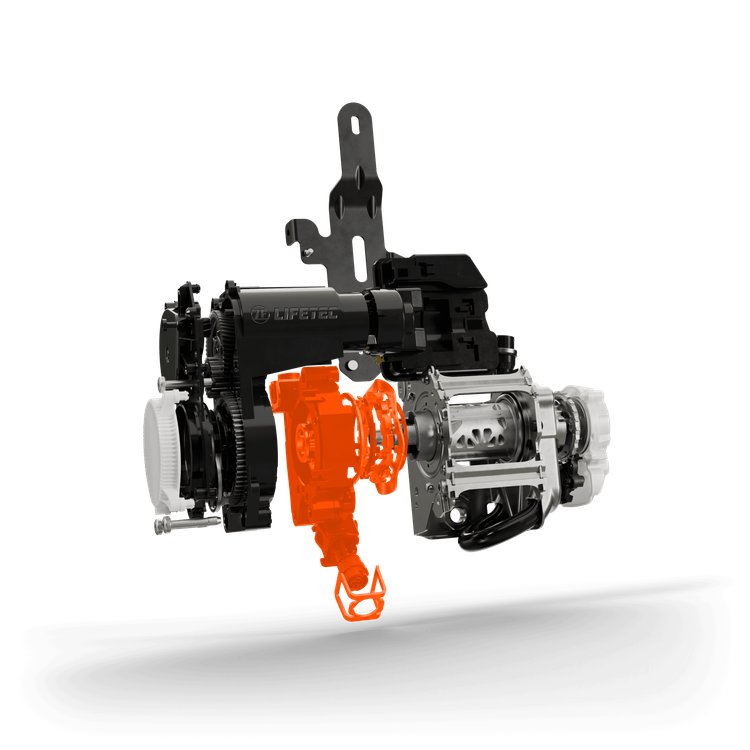
The Multi Stage Load Limiter (MSLL) by ZF LIFETEC fosters adaptive restraint strategies within Volvo Cars’ Multi-Adaptive Safety Belt system in the new Volvo EX60.

Knut Zimmer
Press Spokesperson for Technology and Product Communications, ZF LIFETEC
